What Does BI-RADS Mean?

What Does BI-RADS Mean? A Simple Guide to Your Mammogram Report
By Dr. Ify, Breast Radiologist
Let’s be honest…
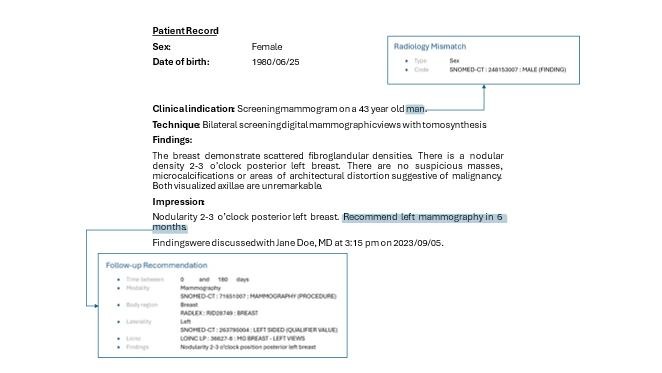
You open your mammogram report, start reading—and suddenly it feels like you’re looking at a completely different language.
Words like BI-RADS, asymmetry, and dense breasts can feel confusing—and sometimes, scary.
First of all, congratulations for not skipping to the end and just reading the summary. This is what Getting Obsessed with your breasts means, in the best way. Now, let’s simplify one of the most important parts of your report: BI-RADS
What is BI-RADS?
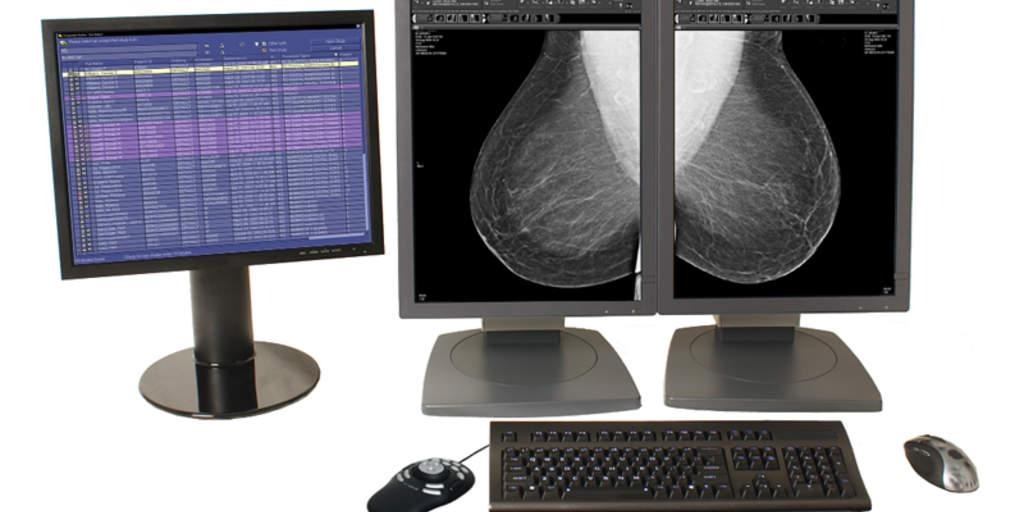
BI-RADS stands for Breast Imaging Reporting and Data System.
It’s a standardized system that radiologists use to:
- Describe what we see on your imaging
- Communicate clearly with your doctor
- Guide what happens next
Think of it as a common language that helps ensure consistency and clarity in breast imaging.
Why does BI-RADS matter?
Because it answers the question most people are really asking:
👉 “What does this mean—and what happens next?”
Each BI-RADS category comes with a recommendation, so you’re not left guessing.
The BI-RADS Categories (Simplified)
BI-RADS 0 — Incomplete
- We need more imaging
This might sound alarming—but it’s actually very common.
It simply means:
- We need additional views
- Or an ultrasound to take a closer look
This is not a diagnosis. It’s a next step.
BI-RADS 1 — Negative (Normal)
- Nothing abnormal seen
This is what we love to see.
Likelihood of cancer: Essentially 0%
Routine screening continues every year or two depending on your screening frequency.
BI-RADS 2 — Benign (Not Cancer)
- Something is seen—but it’s not cancerous
Examples:
- Cysts
- Calcified fibroadenomas
Likelihood of cancer: Essentially 0%
No follow-up needed beyond routine screening.
BI-RADS 3 — Probably Benign
- Very low chance of cancer (less than 2%)
Instead of jumping straight to biopsy, we:
- Monitor the finding over time
- Usually with short-interval follow-up imaging, typically every 6 months and generally for a period of 2 years (The follow up interval may depend on the lesion).
In some instances, we may go ahead and biopsy the lesion if the patient chooses.
Likelihood of cancer: Essentially >0% but less than or equal to 2%
BI-RADS 4 — Suspicious
- This needs further evaluation
This is where a biopsy is usually recommended.
Important to understand:
- This does NOT mean cancer
- It means we need tissue to know for sure
The likelihood of breast cancer in BI-RADS 4 covers a range. This is often further characterized into 4a, b and c. The likelihood of breast cancer is as follows:
4a: Low suspicion for malignancy: Greater than 2%, less than or equal to 10%
4b Moderate suspicion for malignancy: Greater than 10%, less than or equal to 50%
4c High suspicion for malignancy: Greater than 50%, less than or equal to 95%
BI-RADS 5 — Highly Suggestive of Malignancy
- This is a very high likelihood of cancer
A biopsy is strongly recommended, and care is coordinated quickly.
Likelihood of cancer:: Greater than or equal to 95%
What about BI-RADS 6?
This category is used when:
👉 Cancer has already been diagnosed (biopsy-proven)
We tend to use this when a patient with a known malignancy gets imaging to assess treatment response
You don’t need to memorize BI-RADS categories.
But you should feel empowered to:
- Ask what your category means
- Understand the plan
- Know what comes next
Because this is your body and you deserve to ask questions and to understand what is happening with your care..
Dr. Ify

But you should feel empowered to:
- Ask what your category means
- Understand the plan
- Know what comes next
Because this is your body and you deserve to ask questions and to understand what is happening with your care..
Dr. Ify
.webp)

